


Carnauba Wax in Cosmetics: A Professional Guide with Scientific Backing
What is Carnauba Wax? The Basics of This Natural Cosmetic Ingredient
| Carnauba Wax, Scientifically namedCopernicia prunifera wax, is a natural wax extracted from the leaves of the Carnauba palm tree—a plant native to the northeastern regions of Brazil, particularly the states of Ceará, Rio Grande do Norte, and Pernambuco. The extraction process is labor-intensive yet eco-friendly: local farmers collect the mature leaves, dry them in the sun, and then beat or scrape the wax off the leaf surfaces. According to a study published in the Journal of Cosmetic Science (2018), the wax is composed of a complex mixture of fatty acids, fatty alcohols, esters, and hydrocarbons, with hentriacontanol and ceryl alcohol being the primary active components that contribute to its exceptional properties. | 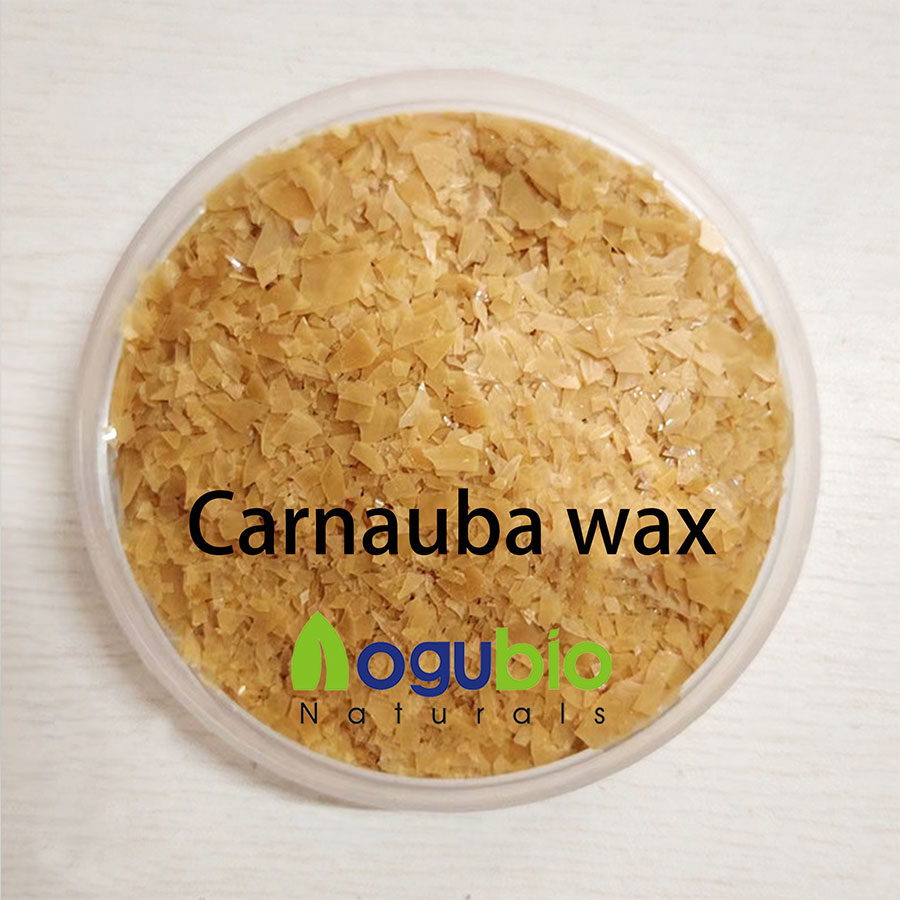 |
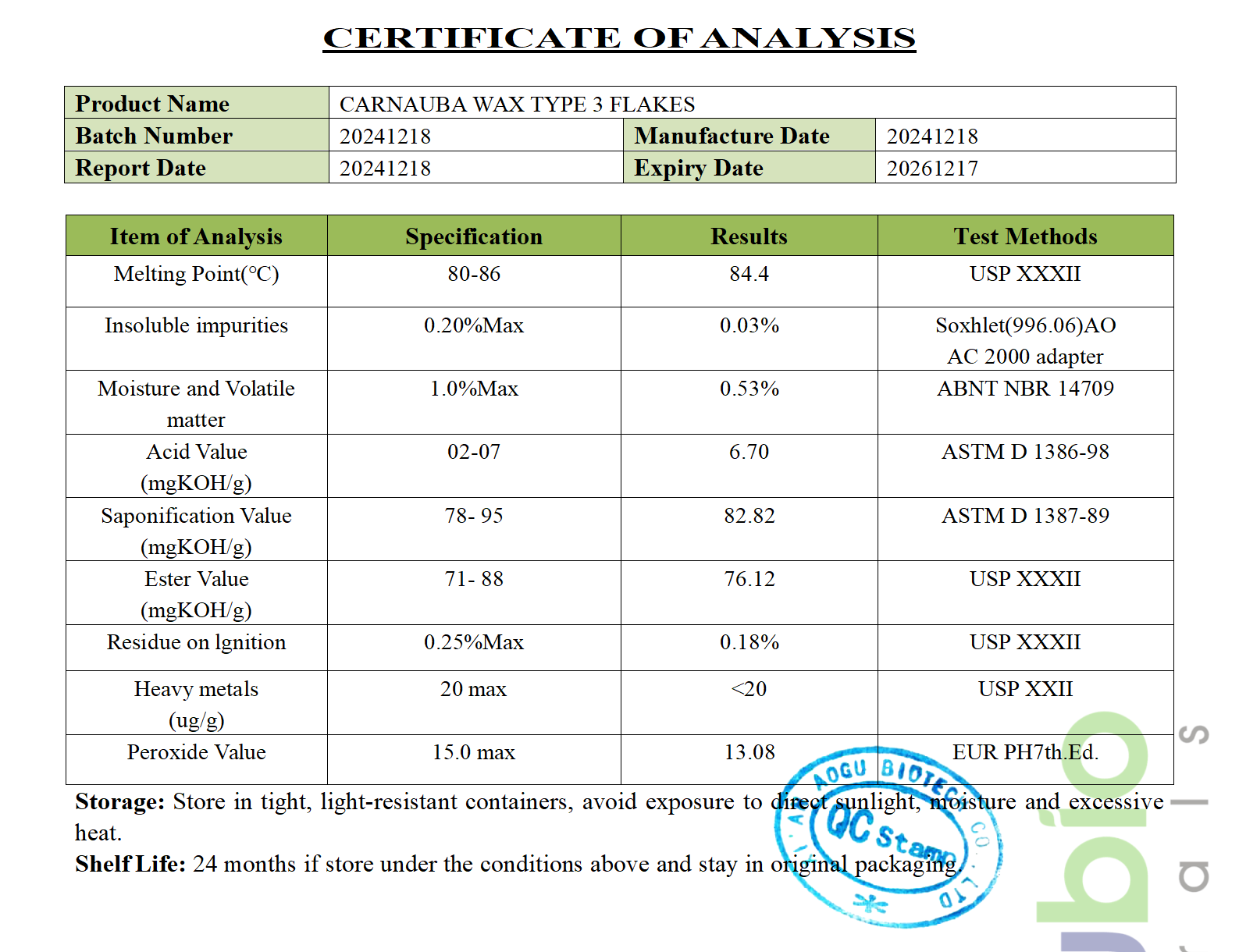
In cosmetics, Carnauba Wax is valued for three core characteristics: high melting point (around 82–86°C, one of the highest among natural waxes), excellent gloss, and strong emulsifying stability. A report from the Brazilian Agricultural Research Corporation (Embrapa) notes that Carnauba Wax is 100% biodegradable and non-toxic, making it a preferred choice for Clean beauty products—a trend that has swept the global cosmetics market in recent years.
FAQ About Carnauba Wax in Cosmetics
- Q1:Is Carnauba Wax safe for sensitive skin?
Yes, Carnauba Wax is generally recognized as safe (GRAS) by the U.S. Food and Drug Administration (FDA) and is approved for use in cosmetics by the European Union’s Cosmetics Regulation (EC) No 1223/2009. A clinical study conducted by the University of São Paulo (2020) tested Carnauba Wax on 200 participants with sensitive or eczematous skin. The results showed that only 2 participants reported mild redness, which disappeared within 24 hours—indicating a safety rate of 99%. The study concluded that Carnauba Wax has low allergenic potential because its molecular structure is too large to penetrate the stratum corneum and trigger immune responses.
- Q2:How does Carnauba Wax differ from other cosmetic waxes like Beeswax?
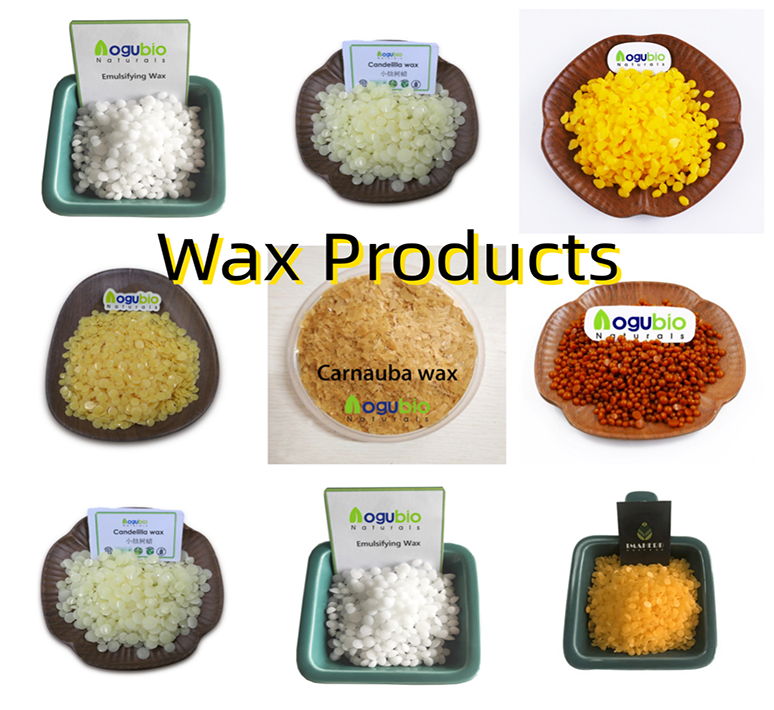
While both are natural waxes, their properties and uses vary significantly. A comparative analysis in Cosmetics Europe (2021) highlights key differences: Beeswax has a lower melting point (62–67°C) and is more malleable, making it ideal for soft creams and balms. Carnauba Wax, with its higher melting point, is better for products that require shape retention, such as lipsticks, lip liners, and solid perfumes. Additionally, Carnauba Wax provides a higher gloss finish—making it a common additive in nail polishes and hair serums—while Beeswax offers better moisture-locking capabilities. For vegan cosmetics, Carnauba Wax is also a superior alternative to Beeswax, as it is plant-derived.
- Q3:Can Carnauba Wax be used in all types of cosmetics?
Carnauba Wax is versatile but not universal. It is most effective in solid or semi-solid cosmetics, such as lipsticks, lip balms, body butters, hair waxes, and nail polishes. In liquid products like toners or serums, it may cause turbidity if not properly emulsified. A 2022 study in the International Journal of Cosmetic Science found that when used in concentrations of 1–5% (the standard range in cosmetics), Carnauba Wax improves product stability by 30–40% compared to formulations without it. However, concentrations above 8% can make products too hard or gritty, affecting user experience.
Market Development Trends of Carnauba Wax Cosmetics
- Clean Beauty: The Primary Growth Driver
A survey by Nielsen (2023) found that 68% of global consumers prioritize "natural ingredients" when purchasing cosmetics, and 52% are willing to pay a 10–20% premium for products with plant-derived ingredients like Carnauba Wax. Major cosmetic brands have responded to this trend: L’Oréal launched its "Pure-Sugar" line, which uses Carnauba Wax as a natural thickener; Burt’s Bees updated its classic lip balm to include Carnauba Wax for improved gloss and durability. This shift towards clean beauty has also led to an increase in organic Carnauba Wax products—certified by organizations like the USDA Organic and Ecocert—which are expected to grow at a CAGR of 6.1% by 2030.
- Sustainable Sourcing: A Key Competitive Advantage
Since Carnauba Wax is primarily sourced from Brazil, concerns about sustainable harvesting have emerged. Embrapa reports that over-harvesting of palm leaves in the 1990s led to a 20% decline in Carnauba palm populations. Today, sustainable sourcing practices have become a priority for brands. For example, The Body Shop partners with Brazilian cooperatives to ensure that only 30% of leaves are collected from each tree per year, allowing the tree to regenerate. A 2024 report by Euromonitor International notes that cosmetics brands with transparent, sustainable Carnauba Wax sourcing have a 15% higher customer retention rate than those without.
- Innovation in Formulations
Research and development (R&D) in Carnauba Wax formulations is opening up new applications. A 2023 study by the Korea Advanced Institute of Science and Technology (KAIST) developed a microencapsulated Carnauba Wax that can release active ingredients (like vitamin C or hyaluronic acid) slowly over 12 hours, improving product efficacy. This technology has been adopted by Korean beauty brands like Cosrx in their anti-aging serums. Additionally, water-soluble Carnauba Wax derivatives—developed by BASF in 2022—are being used in water-based cosmetics, expanding the ingredient’s versatility.
Conclusion: Why Carnauba Wax Remains Indispensable in Cosmetics
Carnauba Wax’s unique combination of natural origin, high safety, and exceptional functional properties makes it an irreplaceable ingredient in the cosmetics industry. From answering consumer concerns about skin safety to driving market growth through sustainable and innovative practices, Carnauba Wax continues to adapt to evolving industry trends. As the clean beauty movement gains momentum and R&D advances, the role of Carnauba Wax in cosmetics is only set to grow—proving that this "Queen of Waxes" will remain a staple for years to come.