
Gellan Gum: The Versatile Gel-Forming Powerhouse from Nature's Laboratory
Imagine a thickener so versatile it can create a firm, brittle gel for a dessert, a fluid gel for a luxurious sauce, and a crystal-clear, non-greasy film for a face serum. This isn't a collection of different chemicals; it's the multifaceted capability of a single ingredient: Gellan Gum.
What Exactly is Gellan Gum? A Microbial MarvelGellan Gum is a water-soluble polysaccharide, a long-chain carbohydrate produced through a pure fermentation process. The bacterium Sphingomonas elodea (formerly Pseudomonas elodea) is cultivated in a controlled nutrient medium. As it ferments, it secretes the Gellan Gum polymer into the surrounding broth. The gum is then recovered, purified, and dried into a fine, off-white powder. | 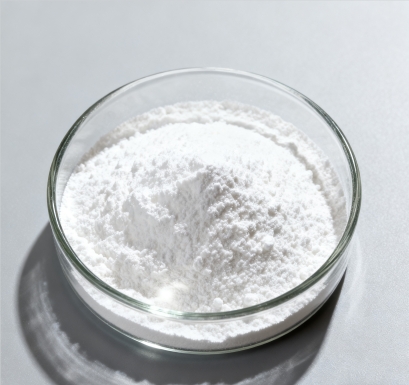 |
Its molecular structure is a linear tetrasaccharide repeat unit consisting of glucose, glucuronic acid, and rhamnose sugars. This structure is the key to its unique gelling properties.
There are two primary forms of Gellan Gum, differentiated by their molecular composition:
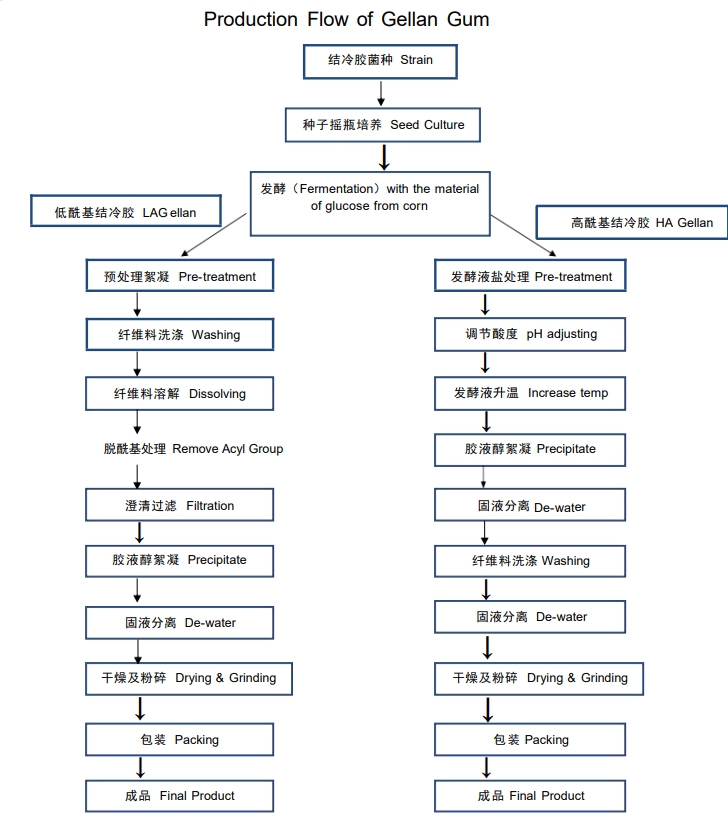
- High-Acyl Gellan Gum: This native form has two acyl substituents (acetate and glycerate) on its glucose unit. These groups prevent the molecules from packing tightly, resulting in soft, elastic, and thermoreversible gels (they melt when heated and reset when cooled).
- Low-Acyl Gellan Gum: When the native gum is treated with an alkali, these acyl groups are removed. This allows the polymer chains to associate more readily, forming firm, brittle, and non-thermoreversible gels (they do not melt upon reheating).
Key Properties and Functional Advantages: A Formulator's Dream
- Exceptionally High Gelling Efficiency:
Gellan Gum is one of the most efficient gelling agents available. It can form a gel at concentrations as low as 0.05% to 0.25%. This high efficiency often makes it more cost-effective than other hydrocolloids like agar or gelatin, despite a higher per-kilo price.
- Excellent Clarity:
Gels and solutions made with Gellan Gum are typically crystal-clear, making it ideal for applications where visual appeal is paramount, such as fruit gels, dessert glazes, and transparent cosmetic gels.
- Stability Across Diverse Conditions:
Heat Stability: Low-acyl Gellan Gum forms heat-stable gels that can withstand pasteurization, retorting, and baking without melting.
Acid Stability: It remains stable across a wide pH range, performing well in highly acidic systems like fruit drinks and vinaigrettes where other gums like xanthan might lose viscosity.
Enzyme Resistance: It is resistant to many enzymes that might break down other biopolymers, contributing to a longer shelf life.
- Unique Texture and Mouthfeel/Skin Feel:
In food, it can provide a clean, quick release of flavor without a sticky or gummy residue.
In cosmetics, it imparts a silky, lubricious, and non-tacky feel. It can create elegant, "bouncy" gel textures that are highly desirable in serums and moisturizers.
- Synergy with Other Ingredients:
Gellan Gum works synergistically with other hydrocolloids. For instance, combining it with Xanthan Gum and Locust Bean Gum can create gels with unique textures and enhanced elasticity. Its gelling mechanism also requires the presence of cations (like calcium, magnesium, or sodium), allowing for precise texture tuning.
Applications in Food and Cosmetics
In the Food Industry:
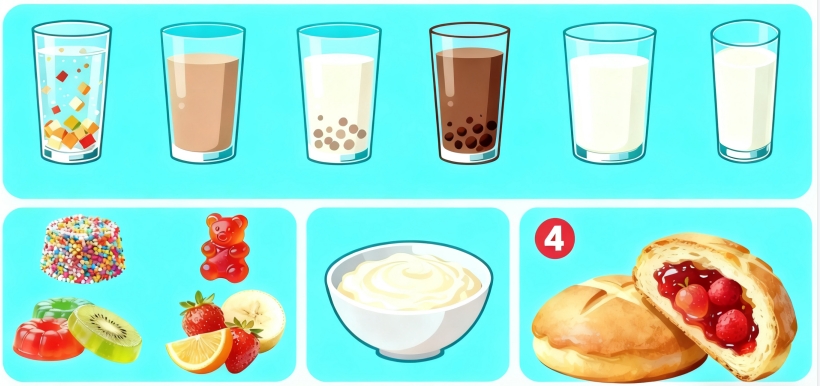
- Beverages: Used as a suspending agent for pulp in juices, protein in nutritional drinks, and cocoa in chocolate milk, preventing sedimentation.
- Confections: Creates firm, non-sticky gummy candies and fruit gels.
- Dairy and Plant-Based Alternatives: Provides a rich, creamy mouthfeel and stabilizes proteins in yogurts, puddings, and plant-based milks.
- Bakery Fillings: Its heat stability makes it perfect for fruit fillings that won't boil out during baking.
In Cosmetics and Personal Care (INCI: Gellan Gum):
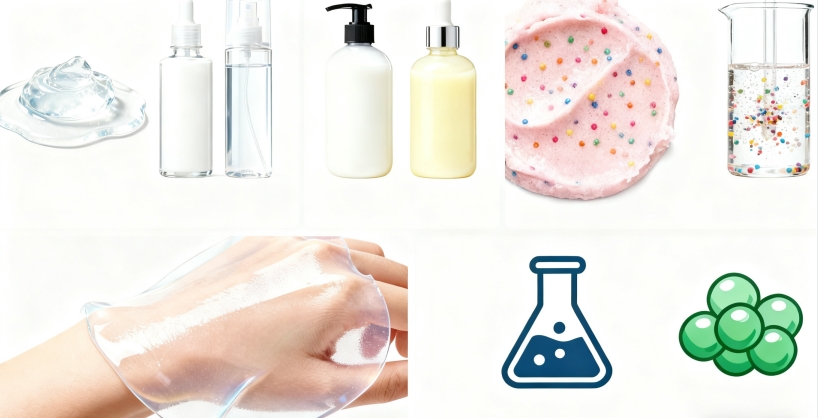
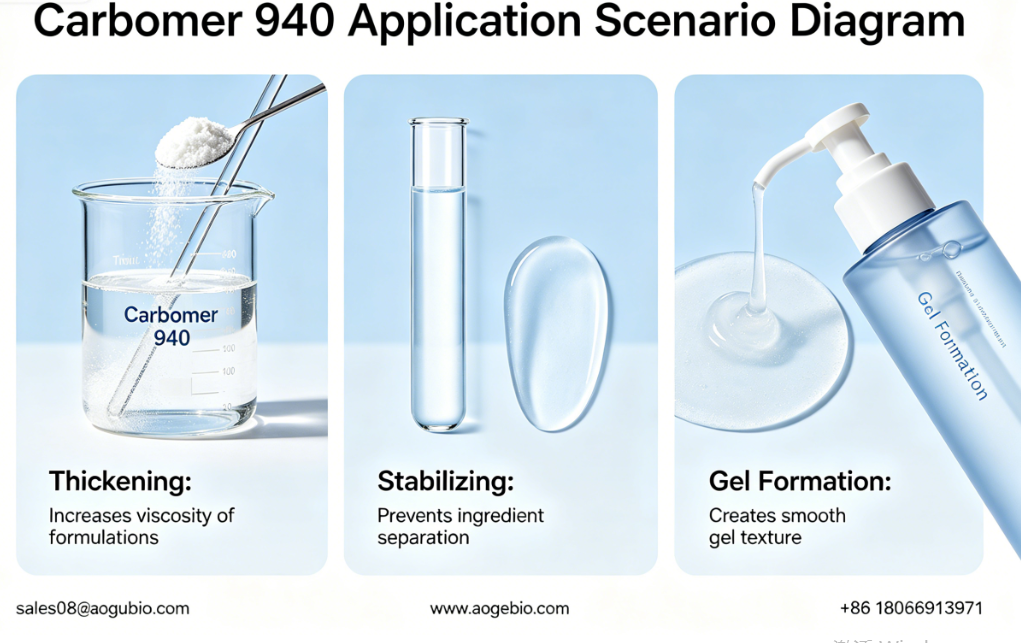
- Clear Gels and Serums: It is the go-to thickener for creating crystal-clear, water-based face serums, hair gels, and shower gels. Its non-tacky finish is a key benefit.
- Emulsion Stabilizer: It can help stabilize oil-in-water emulsions by thickening the water phase, preventing coalescence of oil droplets.
- Suspension Agent: Effectively suspends insoluble particles, such as exfoliating beads in scrubs or color pigments in liquid makeup.
- Film Former: It can form a thin, flexible, non-occlusive film on the skin, helping to retain moisture and deliver a smooth feel.
- Alternative to Synthetic Polymers: As a naturally derived ingredient, it is often used in "clean" formulations as a substitute for Carbomers and other synthetic thickeners.
A study in the International Journal of Cosmetic Science highlights the utility of polysaccharides like Gellan Gum in creating stable, sensory-pleasing formulations that meet consumer demand for natural ingredients (M. R. L. da Silva, 2018).
The Science of Gelling: How It Works
The gelling mechanism of Gellan Gum is a classic example of polymer physics. When heated in water, the polymer chains are disordered and separate. As the solution cools, in the presence of cations, the double-helical segments of the chains form. These helices then aggregate, forming a three-dimensional network that traps water, resulting in a gel.
- Low-Acyl Gellan: Forms tight, rigid junction zones, leading to a firm, brittle gel.
- High-Acyl Gellan: The bulky acyl groups prevent tight aggregation, resulting in soft, elastic junction zones and a tender gel.
This process is detailed in food science literature, such as the textbook Food Polysaccharides and Their Applications (2006), which explains the structure-function relationship of gelling polysaccharides.
Safety and Regulatory Status
Approved as a food additive (E418) by the FDA, EFSA, and other global regulatory bodies.
Generally Recognized as Safe (GRAS).
Suitable for vegan, vegetarian, halal, and kosher diets.
Considered non-irritating and safe for topical use in cosmetics.
Conclusion: The Texture of Tomorrow, Today
Gellan Gum represents the pinnacle of ingredient innovation—a natural product of biotechnology that offers unparalleled control, efficiency, and versatility. Its ability to create everything from a rigid gel to a flowing fluid, all with exceptional clarity and stability, makes it an indispensable tool for food scientists and cosmetic chemists alike.