Expanding the Role of Sodium Ascorbyl Phosphate (SAP) in Cosmetic Active Ingredient Formulation
Sodium Ascorbyl Phosphate (SAP) has emerged as one of the most promising Vitamin C derivatives tailored for cosmetic applications. Unlike ascorbic acid, which is unstable and prone to oxidation, SAP offers excellent stability and superior skin penetration, making it ideal for active ingredient formulation and blending in modern skincare products.
Industrial Significance and Commercial Status
The global cosmetic ingredients market has seen a rising demand for stable and efficacious Vitamin C derivatives. SAP's water solubility and relatively neutral pH compatibility allow formulation chemists to incorporate it in a broad range of cosmetic bases including serums, creams, gels, and sprays. In addition to its proven antioxidant and skin brightening benefits, SAP maintains potency during manufacturing and shelf life, driving demand in the anti-aging, hyperpigmentation, and sun damage repair segments.
From a commercial point of view, China and Southeast Asia have emerged as epicenters for Vitamin C derivatives manufacturing, with leading companies such as Aogebio LLC leveraging advanced bioengineering and extraction technologies. The synergy between synthetic and natural origin components in SAP formulations allows for high scalability with cost-effective raw materials without sacrificing efficacy, thus expanding market penetration.
Emerging Trends in Cosmetic Formulation Involving SAP
Research and formulation trends around Sodium Ascorbyl Phosphate underscore several key trajectories:
-
Multifunctional Blendings: SAP is increasingly formulated alongside other anti-aging actives such as niacinamide, peptides, and hyaluronic acid to create multi-benefit skincare products.
-
Water-Based vs. Anhydrous Systems: SAP’s compatibility with aqueous formulas encourages water-based serum development, favored for fast absorption and light skin feel.
-
Clean Label & Natural Appeal: As consumers demand “clean” and sustainable ingredients, SAP is featured in organic-certified products, supported by manufacturers who provide stringent quality control and sustainability.
-
Encapsulation and Delivery Technology: Nanoparticle and liposomal encapsulation techniques are being deployed to enhance SAP’s stability and targeted skin delivery.
Advanced Applications and Deeper Use Scenarios
Beyond the standard whitening and anti-aging skincare formulations, SAP's unique properties pave the way for innovative applications:
-
Post-Procedure Skincare: Used in formulations for skin barrier repair after professional laser, microneedling, or IPL treatments due to its stabilization and anti-inflammatory properties.
-
Haircare Actives: SAP is explored as an ingredient in scalp treatments and anti-oxidative hair serums, mitigating oxidative stress-related hair aging and graying.
-
Men’s Cosmetics: SAP's gentle nature and light texture have spurred its inclusion in men’s grooming lines focusing on skin tone correction and revitalization.
-
Personalized Cosmetic Formulation: SAP serves as a key active in customizable DIY cosmetic kits where consumers blend multi-actives tailored to personal skin concerns, supported by stable base powders.
Quality Assurance and Regulatory Perspectives
As an active raw material subject to cosmetic regulatory scrutiny, Sodium Ascorbyl Phosphate benefits from comprehensive quality controls. Analytical technologies such as HPLC ensure assay precision above 99%, and impurity profiling is strictly monitored to meet international compliance standards including EU, US FDA, and CFDA regulations. Additionally, toxicological studies confirm SAP’s safety profile, contributing to its wide acceptance.
Companies like Aogebio are pioneering advanced raw material testing protocols using UPLC, GC-MS, ICP-MS, and ELISA assays to guarantee purity, microbial safety, and stability, which reinforces buyer confidence and supports export growth in competitive global markets.
Sustainability and Future Outlook
Sustainability is reshaping cosmetic ingredient sourcing and manufacturing. Sodium Ascorbyl Phosphate's synthetic production minimizes reliance on rare natural resources, contributing to ecological balance. Meanwhile, manufacturers incorporate eco-conscious packaging, solvent reduction methods, and energy-efficient extraction to reduce carbon footprint.
Moving forward, trends indicate SAP will continue evolving through hybrid bio-fermentation techniques, improved bioavailability, and integration with biotech-derived actives. Furthermore, consumer education on ingredient science boosts demand, positioning SAP as a cornerstone active for next-generation cosmetic innovation.

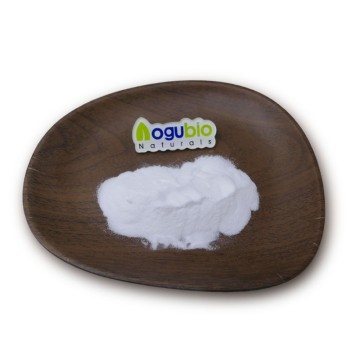 Magnesium Ascorbyl Phosphate For Brightening & Anti-Aging
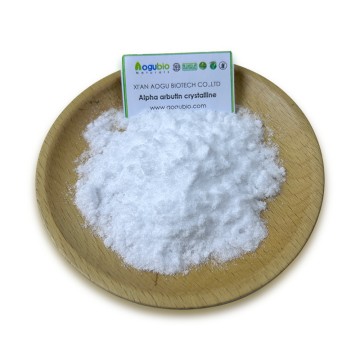 Alpha-Arbutin Powder (Alpha Arbutin powder, α-Arbutin)
 Sodium Lauroyl Sarcosinate liquid
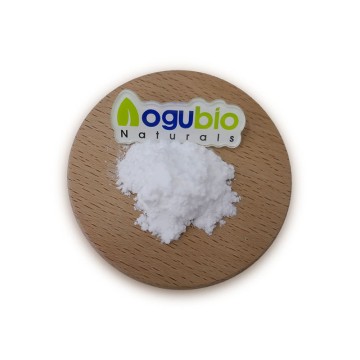 Sodium Ascorbyl Phosphate Powder (SAP)

 Sodium Stearoyl Glutamate
 Undecylenoyl Phenylalanine Powder (Sepiwhite MSH Powder)
 Skin Whitening Ascorbyl Glucoside CAS 129499-78-1 AA2G Ascorbic Acid 2-Glucoside Powder
 Sodium coco sulfate powder